World-first Resilience Ratings app helping Gold Coast families tackle disaster risk
New multi-hazard Ratings self-assessment gives households a tailored plan to prepare before the next disaster.
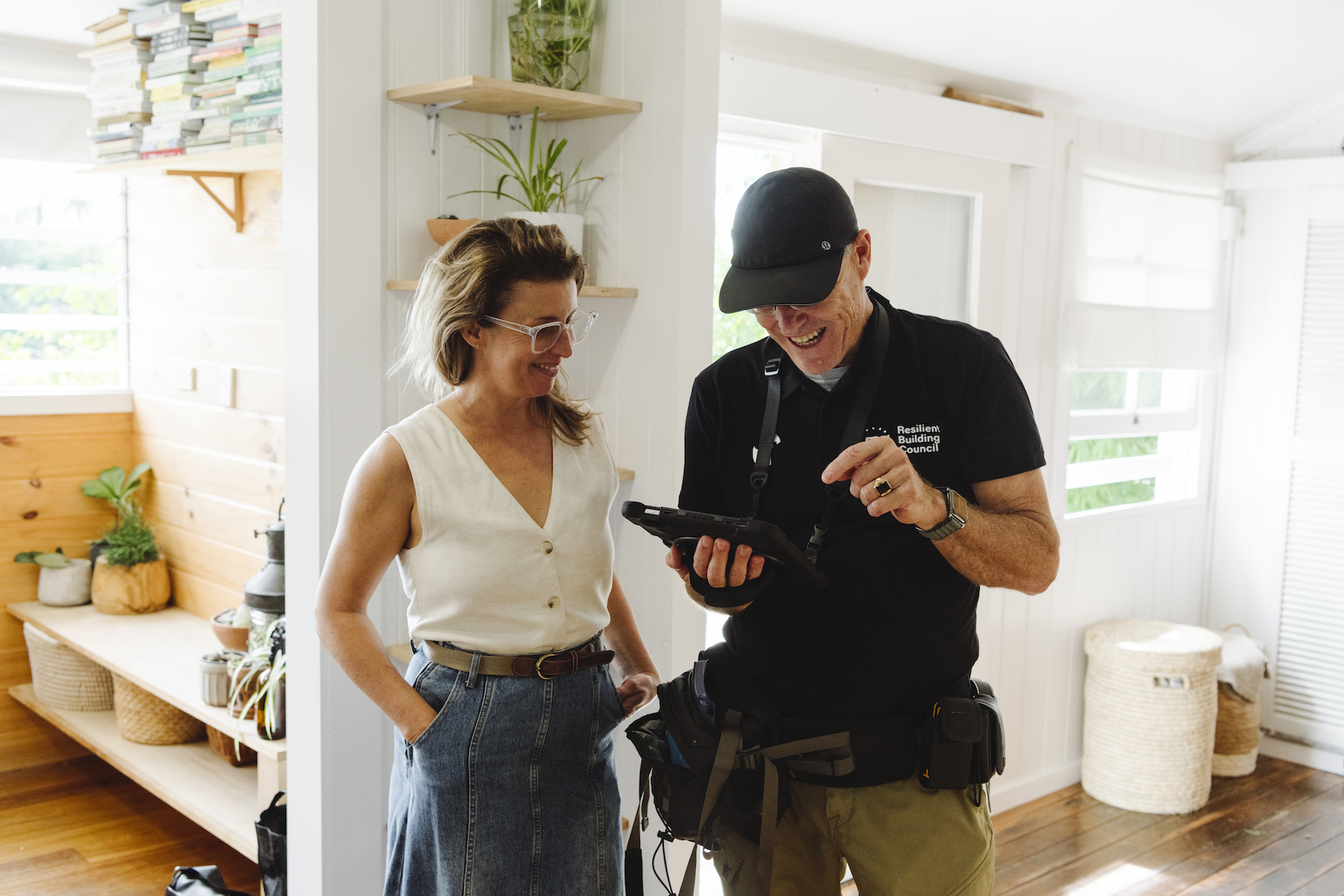
Gold Coast residents are trialling the Resilient Building Council’s (RBC) free self-assessment app, which measures how resilient their home would be in a flood, severe storm, tropical cyclone or bushfire, and what they can do to reduce the damage.
The program is being delivered by RBC in partnership with the City of Gold Coast and James Cook University’s Cyclone Testing Station.
Up to 1,000 households can access free assessments with registrations open until 30 September 2026 or until places are filled.
The assessment is world-first because it measures resilience across multiple hazards in one consistent rating system. This is particularly relevant on the Gold Coast, where households can face flood, bushfire, cyclone and severe-storm risks.
Measuring resilience through the rating system provides insurers with independent verification that a home has been upgraded and reduced its risk. RBC’s Bushfire Resilience Ratings are already priced by half of Australia’s insurance market, making insurance cheaper for resilient homes. Evidence from the Gold Coast program will support work towards similar recognition for the flood and storm ratings.
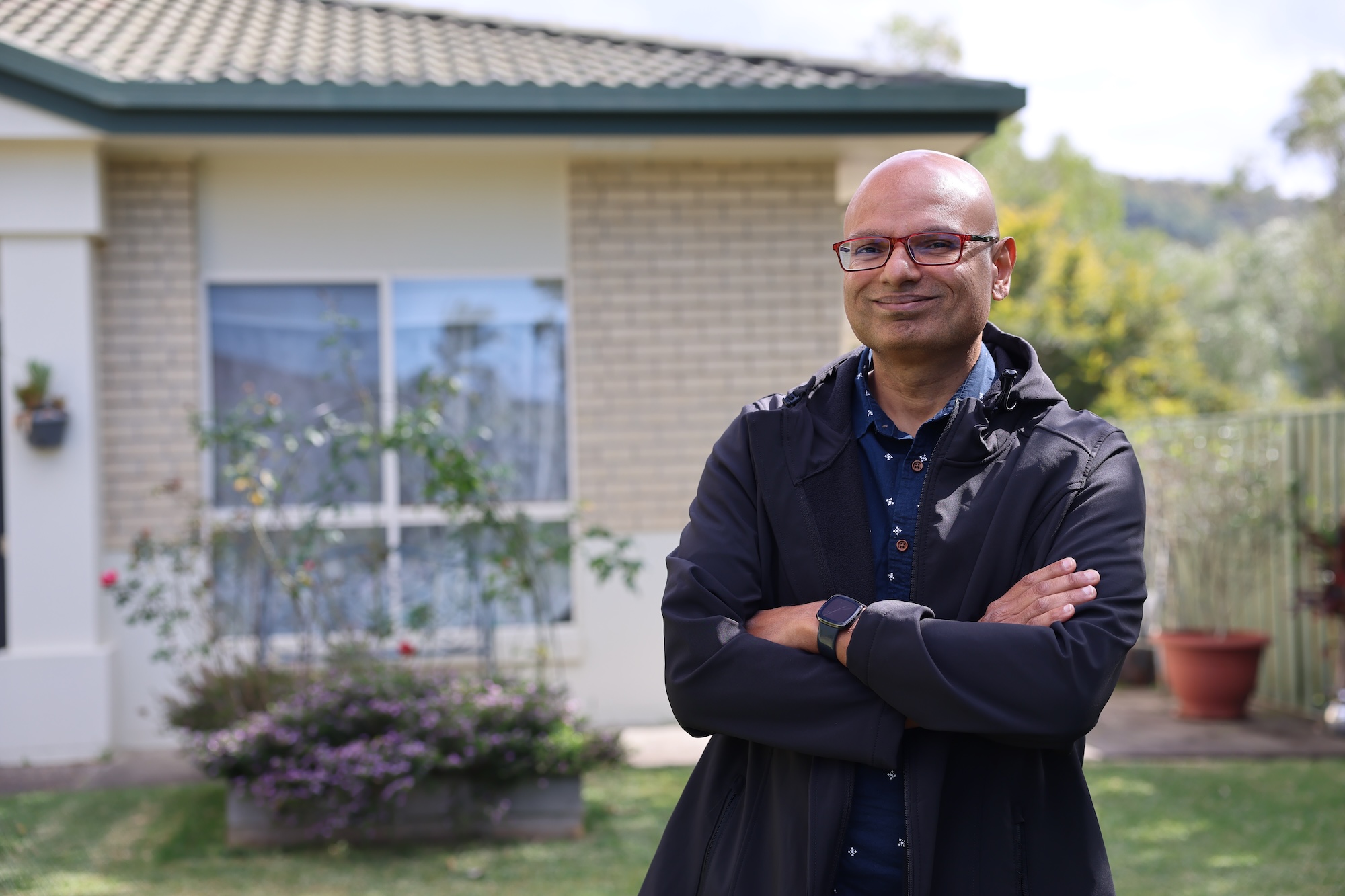
Tallebudgera resident Lauren Rencken and Maudsland resident Sri Nair are using their Resilience Ratings Action Plans to address vulnerabilities exposed by Cyclone Alfred and the 2023 Christmas tornado, by repairing roofing, upgrading seals around windows, reinforcing garage doors, installing stronger door hinges and bolts and anchoring sheds.
The self-assessment app is being trialled on the Gold Coast to help residents prepare for increasing risks of extreme weather this summer.
RBC intends to move from trials to national launch of the free self-assessment app next year, pending funding support from the Australian Government. The aim is to help all Australians know what to do to make their homes safer, and insurable.
RBC is also bringing governments, banks and investors together on the Gold Coast in October to design finance solutions that make resilience improvements more affordable and accessible for households.
HOW GOLD COAST RESIDENTS CAN PARTICIPATE
Gold Coast residents with freestanding homes can register for a free Resilience Ratings assessment until 30 September 2026. Places are limited to 1,000 households. Registration is available at rbcouncil.org/gold-coast
QUOTES ATTRIBUTABLE TO KATE COTTER, FOUNDER AND CEO, RESILIENT BUILDING COUNCIL
“We’re excited to trial the Multi-Hazard Resilience Ratings app on the Gold Coast. Residents have been really keen to understand what actions will make the most difference in getting a higher rating and a safer home.”
“There are so many actions that people can get started with this weekend to get ready for summer. We could be in for a challenging disaster season, so it’s encouraging seeing people rolling up their sleeves and preparing now through this program.”
“The Ratings program gives households, governments, banks and insurers a nationally consistent measurement system, which is how we unlock fairer insurance pricing and new resilience finance solutions.”
“Our Bushfire Resilience Rating system has already demonstrated the model, with premium benefits offered by more than 50% of the insurance market. The Gold Coast program provides the evidence needed for flood and storm resilience to also be recognised by insurers.”
QUOTES ATTRIBUTABLE TO LAUREN RENCKEN, TALLEBUDGERA RESIDENT
“With Cyclone Alfred, we actually didn’t think that we’d be affected that badly. The warnings were all about the wind, not about the water and the flood. We were probably a little bit cocky at first, saying, ‘Oh, we’ll be fine. It’s everyone with trees around them who is going to have the problem. But then, as the rain started to intensify and we got to 100mm, then 200 and then 250, we suddenly realised, ‘Oh, sugar, we are actually at risk.’”
“We were flooded on one side and trees were down on the other side. We had no electricity for 10 days, so it was just sitting around and watching the water getting higher and higher. We were trapped and we couldn’t get out.”
“Having insurance did make me feel safer but you’re still not 100% confident insurance will actually cover it all. Insurance paid for the roof repairs, but that took a long time as they argued it was damaged due to lack of maintenance and not storm pressure, and we fixed the fence ourselves, so we were still out of pocket.”
“I did a Resilience Ratings Assessment because I was really struggling to figure out how to fix the problem by myself. I was really struggling to find the information, come up with the ideas by myself, and I needed help. ”
“In a flood, you can lose everything. The best thing you can be doing is taking those steps and stopping it before it can happen again. So I’d rather be prepared than trying to do it afterwards and fixing it, when you could avoid it in the first place. I would definitely recommend doing an assessment.”
QUOTES ATTRIBUTABLE TO SRI NAIR, MAUDSLAND RESIDENT
“We had no clue that we were susceptible to that kind of weather phenomenon. It came without any warning. There was no forecast for it. The next day we realised that the garage door had sort of slightly inflated, and the roof access panel in the garage flew into the roof cavity. So I think the air pressure was pretty strong. Luckily no injuries and no major damage, but we had a lot of neighbours with broken roofs and the fence falling in.”
“RBC gave me a lot of information. it’s definitely worth having the assessment done. You could find out all the low hanging fruit that you could undertake in a short time, quite easily for every homeowner. Understanding your risk, doing your risk profile, is important. After the incident we are more aware of the importance of maintaining the roof and seals and things like that. I’m trying to get all the low hanging fruit done, like clearing the landscape and being a bit more bushfire resistant. Any future retrofitting, renovation or fixing up, I would try to make more resilient.”
ENDS
Media Kit – Additional quotes from Sri and Lauren, Photos, B-roll
Media opportunities – Interviews are available with Tallebudgera resident Lauren Rencken, Maudsland resident Sri Nair and Resilient Building Council CEO Kate Cotter.
Filming and photography can be arranged at assessed Gold Coast properties, including demonstrations of vulnerabilities identified through the assessment and the resilience improvements households are considering.
A demonstration of the online Resilience Ratings Home Assessment and broadcast-quality radio grabs are also available.
Media contact
Nikki Castle
0414 413 882
nikki@rbcouncil.org
About the Resilience Ratings app trial
The Multi-Hazard Resilience Ratings App prototype was developed by the Resilient Building Council with funding from Founding Partners NAB and IAG. The City of Gold Coast is proudly supporting the first national trial of the App, involving up to 1,000 Gold Coast households.